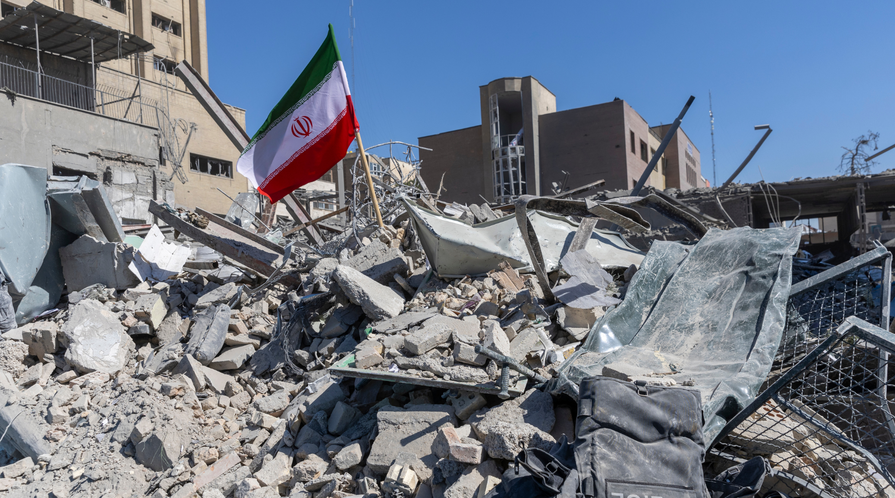
On April 7th, the ceasefire for the ongoing conflict between the United States and Iran was imposed. Initiated on February 28th by the United States and Israel, this conflict has caused enormous damage in Iran and Lebanon, killing thousands and displacing millions in the region, including more than one-sixth of the population in Lebanon. Later that day, the US-Israel strikes attacked a primary school in southern Iran, killing at least 175 people, the victims being mostly children.
After more than five weeks, the United States and Iran agreed to a two-week ceasefire, which included Israel. As of late April 2026, over 3,300 people have been killed in Iran due to attacks by the United States and Israel. It is reported that there have been over 1,700 civilian deaths in Iran since the conflict started.
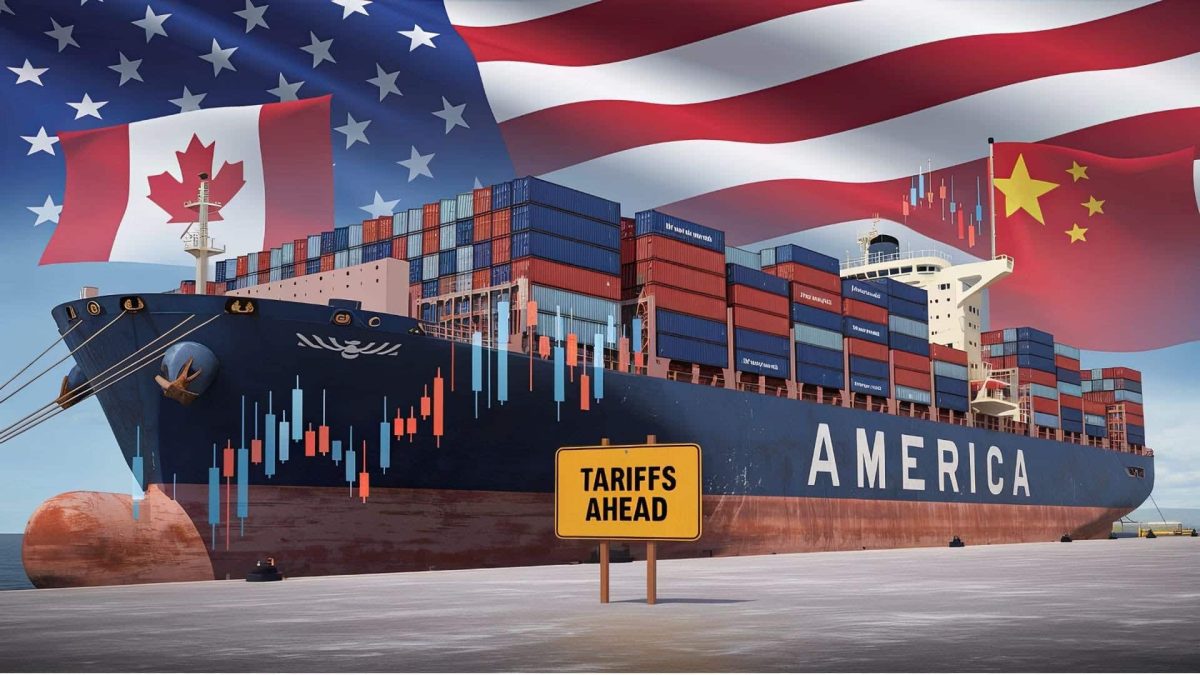
The people of the United States have also felt these economic ripple effects. The average U.S. gas price per week is hitting $5.53, up from $3.64 a year ago, according to AAA. In addition to gas prices, airfare rose to $465 the week beginning March 9, up 24% compared with the same period last year, according to OAG.
One Bishop O’Dowd student, Darius Bell ’26, has a personal connection to the conflict. His family resides in the capital of Iran, Tehran, and in several other parts of the country. “Honestly, I think me, my family, and a lot of people that I resonate with, I feel like we all want just peace,” he stated. “Freedom for all people of both Iran and America, I don’t think that people deserve to suffer because of these conflicts that are going on. So just really just a sense of peace for everyone.”
This is not the first time the United States has entered a conflict with Iran for economic and political gain. In 1953, the CIA led a coup when an Iranian lawmaker named Mohammad Mossadegh became prime minister and nationalized Iranian oil production. To replace the democratically elected Mossadegh, the Shah was restored to power with U.S. backing, which allowed U.S., British, and French oil companies to hold 40 percent ownership of the Iranian oil industry for 25 years.
To counter what some believe, including the statements from our own president, the opposing consensus is that Iran does not pose a threat to the U.S. According to a 2025 assessment from the Defense Intelligence Agency, Iran does not possess long-range missiles that can reach the United States. It is at least a decade away from producing these missiles.
The belief that Iran has a program to produce nuclear weapons is simply a lie perpetuated by our government. The U.S. bombing of nuclear weapons facilities in 2025 destroyed most of Iran’s nuclear capacity and buried its enriched uranium supplies in locations that cannot be reached. It is important to note that there are no credible indications that Iran even has any intention of building nuclear weapons.
In 2026, as an O’Dowd community and as citizens of the United States, we are still experiencing the United States’ efforts to discredit these countries to help itself in this conflict. There is a significant and deeply rooted issue of misinformation and suppression of Western Asian countries. To get rid of the curse of U.S imperialism and become a global community, there needs to be an effort to weed out the colonist xenophobic mindset that has been planted in all of us.