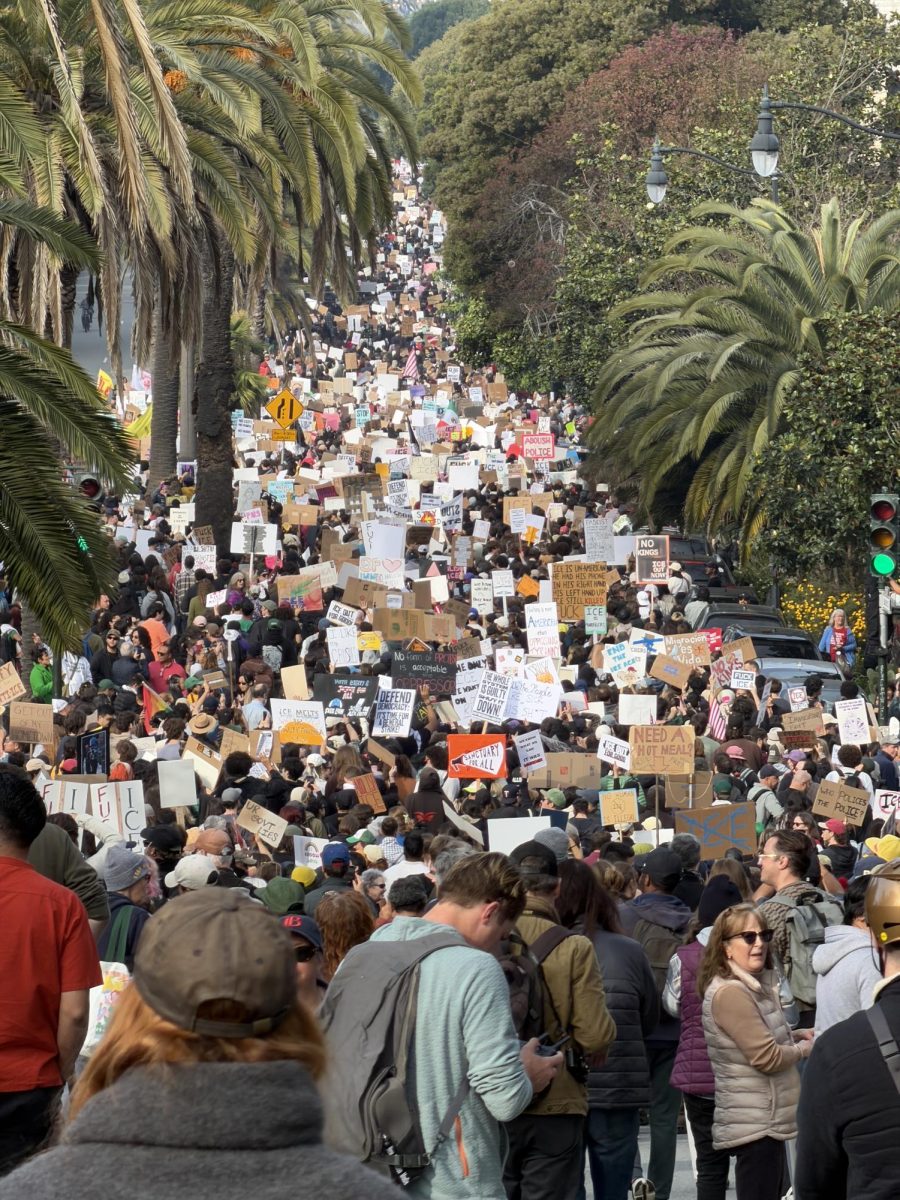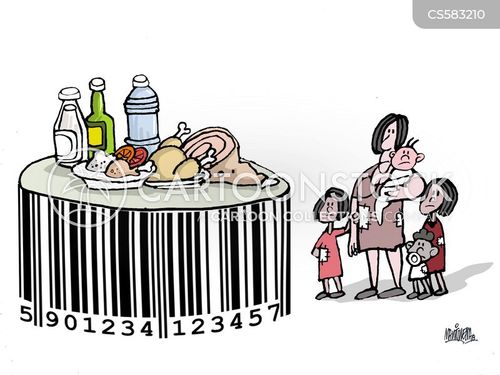
It has been 27 days since the longest government shutdown in American history, spanning 43 days. In the throes of the peak of the holiday season, let’s return to the biggest topic of the government shutdown: SNAP Benefits. As we enter into 2026, why is it so imperative to talk about this issue now more than ever?
Established by President Lyndon B. Johnson in 1964, SNAP, more widely known as food stamps, is the United States’ largest anti-hunger program, serving an average of 41.7 million people. SNAP provides food benefits funded by the federal government to low-income families to supplement their grocery budgets and help them afford nutritious food essential to health and well-being. Recipients can spend money on food and beverages.
These benefits cannot be spent on tobacco, alcohol, non-food items, or prepared food. Everyone who participates in SNAP must meet certain eligibility based on their income, assets, household, immigration status, and proof of employment. The per-person benefits are relatively low, averaging $187 per month. Despite SNAP being the largest federal nutrition program, its 2024 spending totaled $91 billion.
In March, the administration cut $500 million from the USDA’s emergency food assistance program, which provides food banks with domestically produced meat, dairy, eggs, and produce. The administration canceled deliveries of 94,000,000 pounds of food.
During the government shutdown, over 40 million people struggling with rising food costs were not receiving their benefits and going hungry due to the funds running out and because of the Trump administration’s inability to fund them fully.
The panic that surged throughout the country due to the shutdown cannot be discussed without the Big Beautiful Bill. Signed on July 4th of this year, the Big Beautiful Bill has caused significant detrimental changes to the federal supplemental nutrition assistance program, including introducing new work requirements for older adults, increasing state costs, and reducing eligibility.
Continuing their changes concerning food insecurity, on September 20 of this year, Trump announced that the administration plans to stop releasing food insecurity data after the 2024 statistics are published. Food insecurity refers to the condition of not having access to sufficient food, or food of adequate quality, to meet one’s basic needs. It is a systemic issue that can affect anyone.
Created during the Clinton administration, the household food security report has been an annual fixture in food security and policy for vulnerable Americans. The federal government has tracked and analyzed this data for the past 30 years, throughout both Democratic and Republican administrations.
13.3% of households were food insecure in 2023, according to the U.S. Department of Agriculture. Federal cuts to food programs, stagnant wages, job losses, and rising food prices are fueling the fire in the ever-evolving problem of access to food in America.
Individuals with food insecurity often have limited access to healthy, nutrient-dense foods. Instead, they rely on cheaper, less nutritious options, leading to a diet lacking in essential vitamins and minerals that are linked to chronic diseases such as obesity, heart disease, and diabetes.
The lack of access to nutritious food is only expanding as grocery prices are up 29% higher than they were pre-pandemic. The meats, poultry, fish, and eggs category has seen the fastest inflation since January 2020, with prices up 36.4%. Egg prices alone have more than doubled over this timeframe, rising 116.1%.
When discussing the inability to access nutritious food and recognizing that it is a privilege, the topic of food environments is most critical and often overlooked. A food environment is the complex mix of physical, economic, social, and cultural surroundings and systems that influence which foods are affordable and accessible, which profoundly affects health and nutrition. Restricting food choices in communities that lack access to healthy food does not solve the problem, which is their lack of accessibility, and makes residents’ lives more difficult.
Before thinking that restrictions are the solution, certain factors need to be considered, such as food deserts, transportation, and the higher cost of nutritious foods. The primary focus should be on improving the food environment.
Reports from 2021 to 2024 show that more than 889 neighborhoods in the Bay Area lack access to food. As a member of the leadership group Solidarity in Action, Senai Hadgu ’26 speaks on food insecurity in the Bay Area. “I definitely think that it’s a big problem in our society, but especially around the Bay Area, we’ve seen that one in five people in California, specifically the Bay Area, are food insecure, which totals around to almost a million people,” he emphasized. “That just shows how big of a problem that we haven’t really tried to solve.”
It is becoming increasingly apparent that, as the year 2025 comes to a close, we are blind to the current state of food insecurity in our country. The attack on SNAP and food shelters around the country is only the start. The cost of living is rising, and even the food one needs to live on is becoming a privilege.