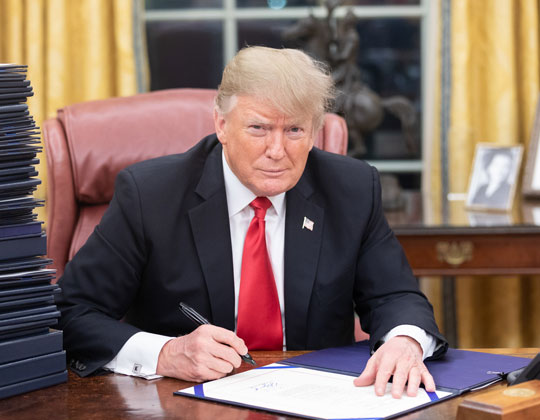
On November 19th the Trump administration moved to eliminate certain protections for endangered species by attempting to revise the Endangered Species Act. If passed, these propositions could have a detrimental impact on threatened wildlife and the efforts taken to conserve them.
The Endangered Species Act was initially enacted in 1973 as the primary law protecting threatened species. It enables the government to determine whether a species is endangered and take action to enforce laws that conserve endangered species and habitats. It was primarily responsible for conservation efforts for the California Condor, for example, establishing the California Condor Recovery Plan to protect and increase the population of the endangered species.
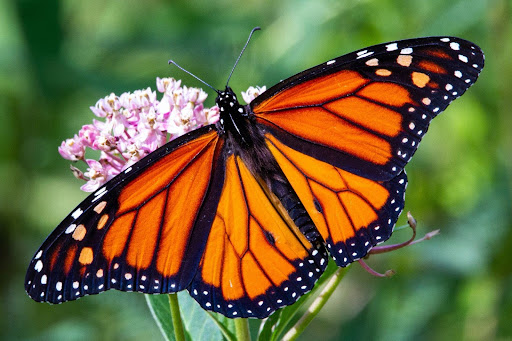
The monarch butterfly is one species that could be impacted by changes to the Endangered Species Act.
The Trump Administration proposed four changes to the Endangered Species Act. One of the proposed changes would remove blanket protections placed upon all threatened species of an animal; instead, protections would be given and tailored to each individual species, a time-consuming process that would slow further efforts for their protection. Other changes proposed include the reevaluation of the status of critical habitats, and the consideration of economic factors when determining whether an endangered species will be protected.
The goal of these changes, according to their supporters, are to promote the economic interests of companies that rely on the use of natural resources, namely energy and oil companies. In a press release, Secretary of the Interior Doug Burgum emphasized that the goal of the revision was to “restore the Endangered Species Act to its original intent, protecting species through clear, consistent and lawful standards that also respect the livelihoods of Americans who depend on our land and resources.”
Lauren Choi ‘26, an Eco Leader at O’Dowd, described the proposals as demonstrating “the administration’s lack of care towards conservation” while allowing “economic interest to influence government agenda by prioritizing profit over greater good.”
This is not the first time President Trump has reversed the clock on measures to protect the environment. Under his presidency the United States formally withdrew from the Paris Agreement, an international treaty intended to lessen global warming by reducing greenhouse gas emissions.
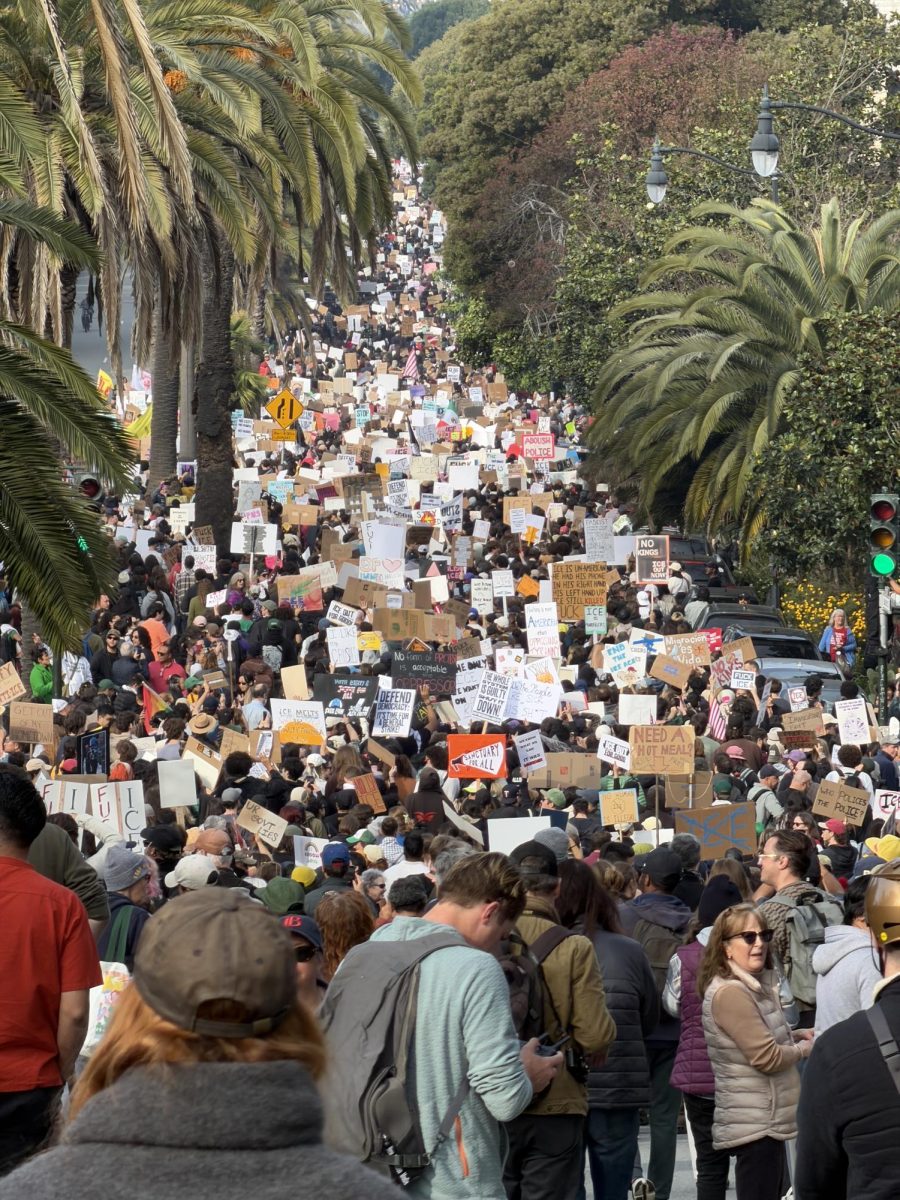
The proposed changes to the Endangered Species Act have been opposed by many Americans who are concerned about how the changes will further harm endangered species. Over ten thousand people have voiced their opinions on the revisions, which are available for public comment on the Federal Register.
Choi is similarly concerned about the suggested changes. “Disregarding the protection of endangered species and natural ecosystems will only create harder times for the future of the United States and ultimately, the entire world,” she emphasized. “If we can’t hold big businesses and government officials accountable for public interest then they will continue to exploit wildlife habitats, animals, and marginalized communities.”
If these changes are accepted, they will make conservation efforts for endangered species and critical habitats a more complicated and difficult process. These animals already face threats from oil drilling, deforestation, and climate change, and these proposals place economic interests as a driving factor when evaluating the necessity of conservation for an endangered species. Species like the monarch butterfly and California spotted owl could become increasingly more impacted as their protections could be revoked.
It is unclear if these changes to the Endangered Species Act will take effect. However, the growing outcry against them highlights the American peoples’ commitment to protecting our most vulnerable species from economic interests.