
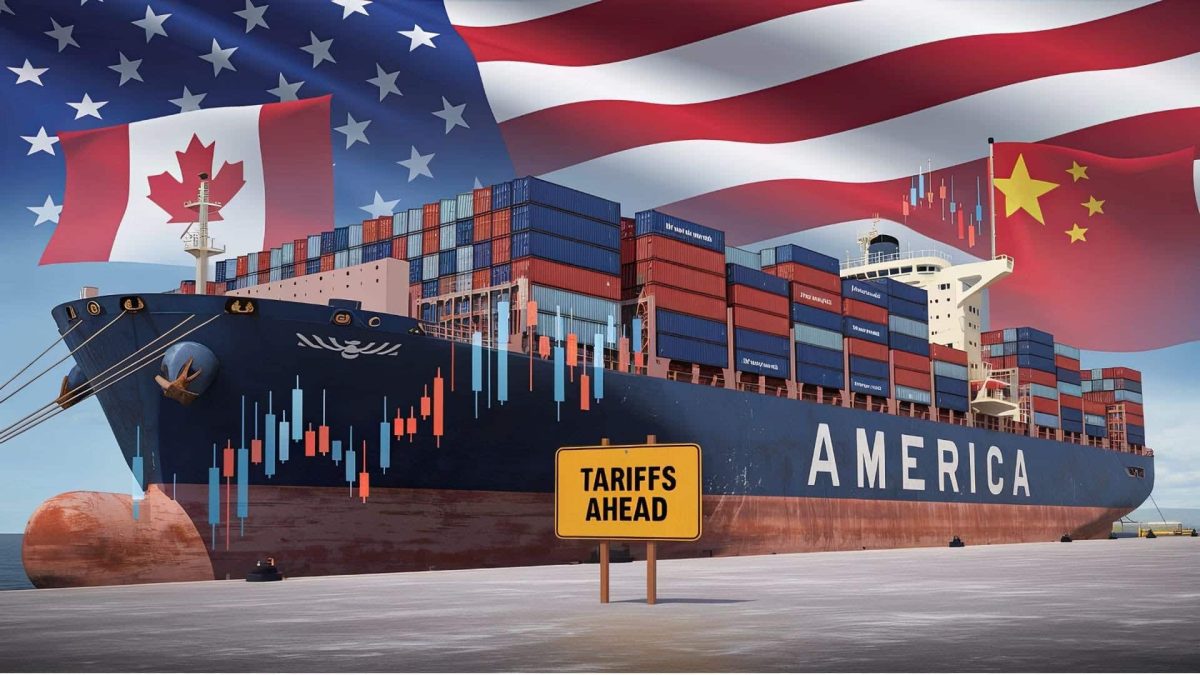
On April 2, 2025, President Trump implemented his Liberation Day tariffs. These tariffs were a trade policy that implemented a universal 10% tax added to goods imported into the US from other countries as well as higher duties (11%-50%) on over 86 nations. Most notably, Trump imposed a whopping 125% tariff on China to manage trade imbalances. Overall, the policy was designed to reduce American trade deficits, which it did, yet the severity of the tariffs shot up consumer prices and inflation. A mere 7 days later, Trump initiated a 90-day pause on the tariff increase to allow for negotiation room for the affected countries. After his 90-day pause, the stock market posted its third-largest one-day percentage gain since World War II, and the S&P 500, a broad index fund that tracks the top 500 most valuable companies in America which gains an average of 6.5% every year, gained 9.5% in a single day, marking one of its best days in market history. This drastic market swing demonstrated that not only did these aggressive tariffs affect international trade, but they have direct effects on the stock market.
Tariffs raise costs for businesses; then, these prices are often passed onto consumers through increased commodity prices. To put this in perspective, research from the Yale Budget Lab shows that the average household in America stands to lose $3,800 of purchasing power per year as a result of tariff policies. Although the increased prices from tariffs often hurt consumers, they play a key role in the company’s stock price.Historically, high tariffs on imported goods have decreased stock prices. If a company creates its product from foreign manufacturers, such as Apple or many car manufacturers, the tariffs raise the price per unit, decreasing the units sold, decreasing demand, and eventually decreasing the stock price. Tariffs also tend to ripple across entire sectors such as energy and tech, as their products are similar and their production is similarly outsourced.
On the flip side, tariffs can work in a reverse fashion. When the April 2nd tariffs were announced, traders tried to “short” many companies by borrowing shares and selling them, but planning to buy them back for cheaper later. However, when the pause hit, those short sellers got scared and needed to buy back their positions quickly. This wave of forced buying rallied stock prices. Similarly, when the tariff pause was announced, algorithms across trading firms flagged the pause as a positive signal and started buying, causing the prices to increase.
The $3,800 annual loss of household purchasing power previously mentioned will show up in grocery bills, gas prices, and the cost of the first car for new drivers. For those planning to invest, April 2025 was a perfect example of why selling or buying stocks as a result of panic is often dangerous. A policy announcement can move millions, even billions of dollars, within hours, while the ripple effects will reach every American household. History has demonstrated that betting on markets to crash after tariff announcements is not sustainable, and investment decisions should not be made in panic.





Sophia Santucci • May 24, 2026 at 12:55 pm
How informative!