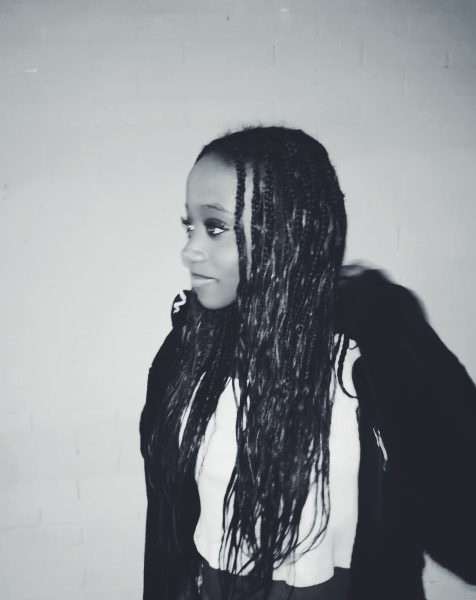
To be Black at a predominantly white institution is to live a dual life: one filled with the savory flavors of soul food, Nigerian jollof, sweet Jamaican plantains, the celebratory warmth of Kwanzaa, the reverence of Sunday Service, and your mother’s dedication as you spend late nights into early mornings crouched between her knees while she braids your hair; yet, just minutes to miles away, another marked by familiar—though still shocking—pain bred from colorism, constant microaggressions, anti-racism taught yet never practiced, and the frustration of countless cultural norms ignorantly lost in translation.
PWIs, or predominantly-white institutions, are known for cultivating these feelings in Black students: from the historic practice of code-switching for the comfort of others, the familiarity found in turning into oneself to dispose of what’s deemed unfamiliar, and the understanding that racial stereotypes are often knowingly and unfairly accepted as truths. As one switches between the comfort of home and community and the distress of persistent antagonism, ignorance, and unfamiliarity, this phenomenon of a dual life takes shape.
A 2014 study by the Institutional Racism and Accountability Project outlines the consequences of this dual life, finding that, in a test exploring racial stress, Black students “at PWIs indicated higher levels of racial stress as well as higher levels of institutional and individual racism” than those attending HBCUs (Historically Black Colleges and Universities).
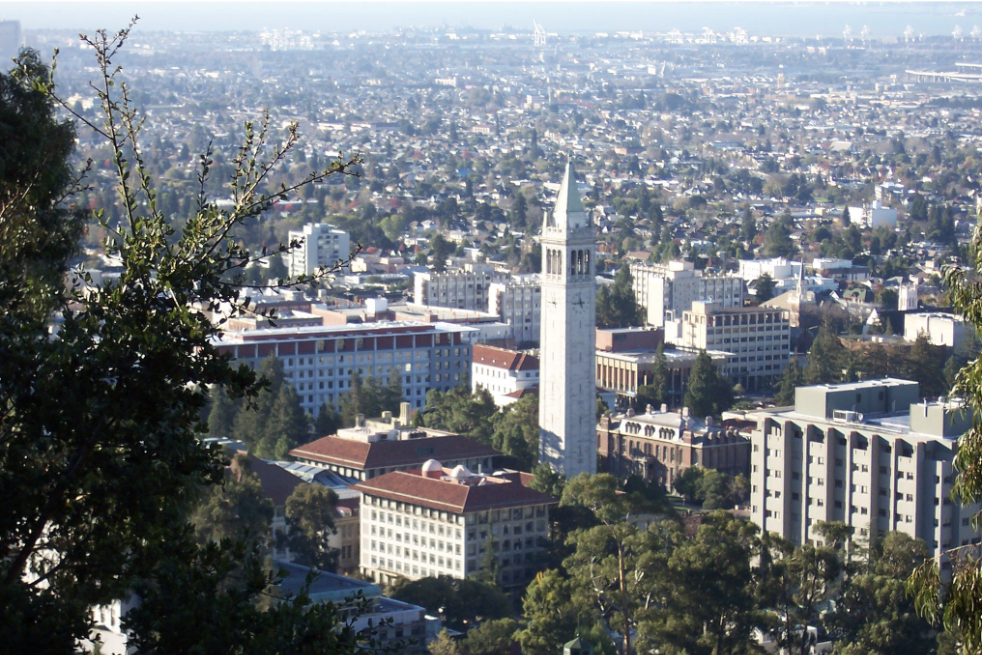
As the Class of ’26 heads off to college and 11th-graders begin exploring their future university options, mapping out what they want for their college experience, I spoke with Black students attending UC Berkeley to understand their experiences at a PWI and gather their advice for other Black students considering predominantly white institutions.
One of those students, Manuel, a UC Berkeley senior, described his experience navigating the institution’s racial and academic dynamics as complex: both reaffirming and often contradictory, specifically noting how racial disparities subtly shape his classroom dynamics.
“In Berkeley, because there are so many bubbles, sometimes you go to a STEM class or like a beginner STEM class, and you’ll see all sorts of people in it, but there are a majority of white people. But then, once I went into more sociology classes, I started seeing more people like me. And it was strange because it was almost like an underlying implication that there was this wall in the school where only some people could get into those heavy STEM classes, while others would end up in classes like sociology.”
Manuel’s reflection on this “invisible wall” is only a metaphorical expression of a broader, lived reality. According to 2018 research by the National Library of Medicine, students from underrepresented racial groups in STEM often report significantly lower sense of belonging in their corresponding fields.
Furthermore, Abi, a junior at UC Berkeley, referred to this lack of belonging when describing how he believes being Black influences his experience in a highly rigorous, often racially exclusive academic setting at Berkeley. “I feel like you’ll definitely feel imposter syndrome. It’s honestly just gonna happen. You’re gonna feel like you don’t belong there.”
However, this recurring feeling of imposter syndrome isn’t simply bred from mere insecurity; it’s often reaffirmed by teachers and students who either directly or indirectly underestimate Black students due to underlying racial stereotypes related to intelligence.
“I’m currently in STEM,” said Hanan, a UC Berkeley third-year. “I’m a data science major, so a lot of my classes are majority men and not Black men as well. So I feel like a lot of times people here kind of belittle you or don’t really look to you for answers and stuff. And even with —I guess, teachers, staff, or administration, there are sometimes microaggressions you’ll experience.”
Microaggressions are everyday, subtle instances of racism, homophobia, sexism, and more, communicated toward marginalized groups. Often contributing to chronic stress, anxiety, and depression, microaggressions have become familiar to Black students attending PWIs, tremendously exacerbating the already hectic experience of navigating an environment where your peers look nothing like you.
Yet, despite these challenges, Berkeley students repeatedly emphasized that finding community is essential to making the PWI experience feel survivable.
“My biggest piece of advice—it really is community,” said Manuel. “People will definitely get you through this. And like, if there’s anything I want to leave for people who are definitely coming here, it is to know that there are people for you there because there are so many people. There are so many students here and so many little bubbles and clubs here on campus where you can find community. And once you do, life will get so much easier.”
Hanan concluded her interview by pointing to how crucial it is to let your voice be heard and not to let others degrade you from your major. Abi emphasized the importance of living in themed housing, such as the Afro House, during your freshman year. The Afro House is a nearly 30-year-old African American-themed dorm space known to cultivate mutual support, inclusivity, learning, and cultural engagement for UC Berkeley’s Black students.
While the journey of navigating a PWI may at times feel disempowering, what remains ever-present is the resilience these Berkeley students demonstrate in cultivating community and collective power with those who share their experiences. With the resilience of O’Dowd’s Black students in mind, their journeys to PWIs will likely be measured not just by what they endure but by their capacity to thrive within them.