February. The shortest month of the year. It also happens to be Black History Month. This year, it’s the month where big corporations, like Target, Walmart, and Amazon scale back their Diversity, Equity, and Inclusion programs, discontinue initiatives aimed at supporting minority-owned businesses, and instead, pervade their shelves with ‘Dope Black Woman’ hoodies, kente-cloth jumpsuits, and ‘Together We Rise’ jersey t-shirts, all of which performatively scream: we may not support you, but we sure do want your Black dollars!
They engage in a strange, double-edged practice of providing representation, yet actively reversing the means to institutionally and financially substantiate it.
If you’re tired of this same yearly gimmick that’s been dogged on since the peak of the Black Lives Matter Movement in 2020 — exhausted by a capitalist scheme that has long attempted to convince us of their institutional equity while by no means practicing it — I advise you to buy Black.
Many students at O’Dowd have echoed a similar perspective, with Jada Jackson ‘26, an O’Dowd senior sharing, “I think that in general, shopping from Black-owned businesses is really important, because your dollar can show a lot of things, including how you feel about the political climate.”
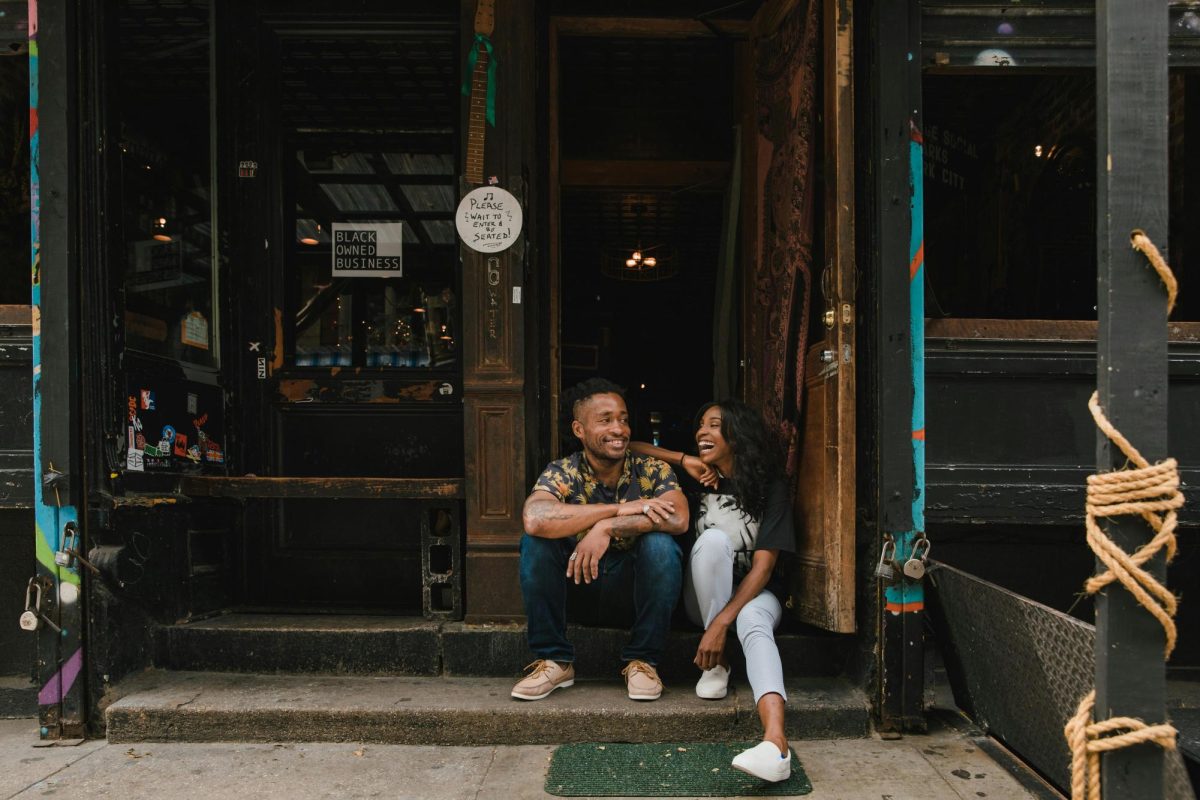
As Black History Month reaches its halfway point, I thought it’d be fitting to list three local Black-owned businesses —all located fifteen to thirty minutes away from O’Dowd— that I recommend supporting this month.
- Gregory’s Gourmet Desserts (Oakland)
Located just around Lake Merritt in downtown Oakland, Gregory’s Gourmet Desserts is a Black-owned business founded and owned by Gregory Williams, a local chef who has operated the renowned basement-level bakery for over thirty years. Tucked just below street level, the establishment is known for its vast array of delicious cheesecakes.
“He does different types of cheesecakes, like Oreo cheesecake, peach cobbler cheesecake, along with numerous others. My favorite would probably be his peach cobbler cheesecake,” described Mason Allen ‘26, an O’Dowd senior who has regularly visited Gregory’s Gourmet Desserts with his family for years.
2. T’chaka a Taste of Haiti (Oakland)
T’Chaka a Taste of Haiti is a Black-owned and operated restaurant serving authentic Haitian food in the Old Oakland district of downtown Oakland. Owned by Haitian native and executive chef Frantz Felix, who developed his love for cooking from his grandmother, T’Chaka is known for its flavorful jerk chicken, delicious goat curry, and amazing service, with many reviews noting its flavors as reminiscent of traditional cuisine from Port-au-Prince, the capital of Haiti.
3. Kinfolx (Oakland)
Positioned right along Telegraph Avenue in Uptown Oakland, Kinfolx is a Black-owned coffee and wine bar where local neighbors gather to share delicious lattes, study, and revel in a wide spectrum of comfortable open seating. Referred to as a ‘modern-day public square,’ Kinfolx was co-founded by Bay Area locals Nicole Reyes, Creighton Davis, and Akintunde Ahmad. The café is known for its laid-back living room feel, friendly staff, decorative art, and creation of delicious egg sandwiches, vegan patties, and lavender matcha lattes — all of which make the prospect of sharing a local community space all-the-more appealing.
Beyond the delicious food, hospitable atmosphere, and friendly service, supporting businesses like these carries a deeper significance for many O’Dowd students, as they’ve become direct opportunities to invest time and care into the cultivation of multigenerational Black entrepreneurship — a career path that has historically faced systemic barriers in this country.
“I think we should support Black owners, because for a long time, we haven’t been able to own businesses and build generational wealth. So, if we’re putting our money into our own communities, it will help us in the future,” said Mason Allen ‘26.
“I think the reason it’s especially important to shop Black this Black History Month is because of a lot of the economic disparities people in our community face. A lot of the time, we spend our dollars on businesses that are actively harming our community, and I think it’s good to pour back into our people who are trying to be entrepreneurs and establish themselves financially,” said Braelynn Lillard ‘26.