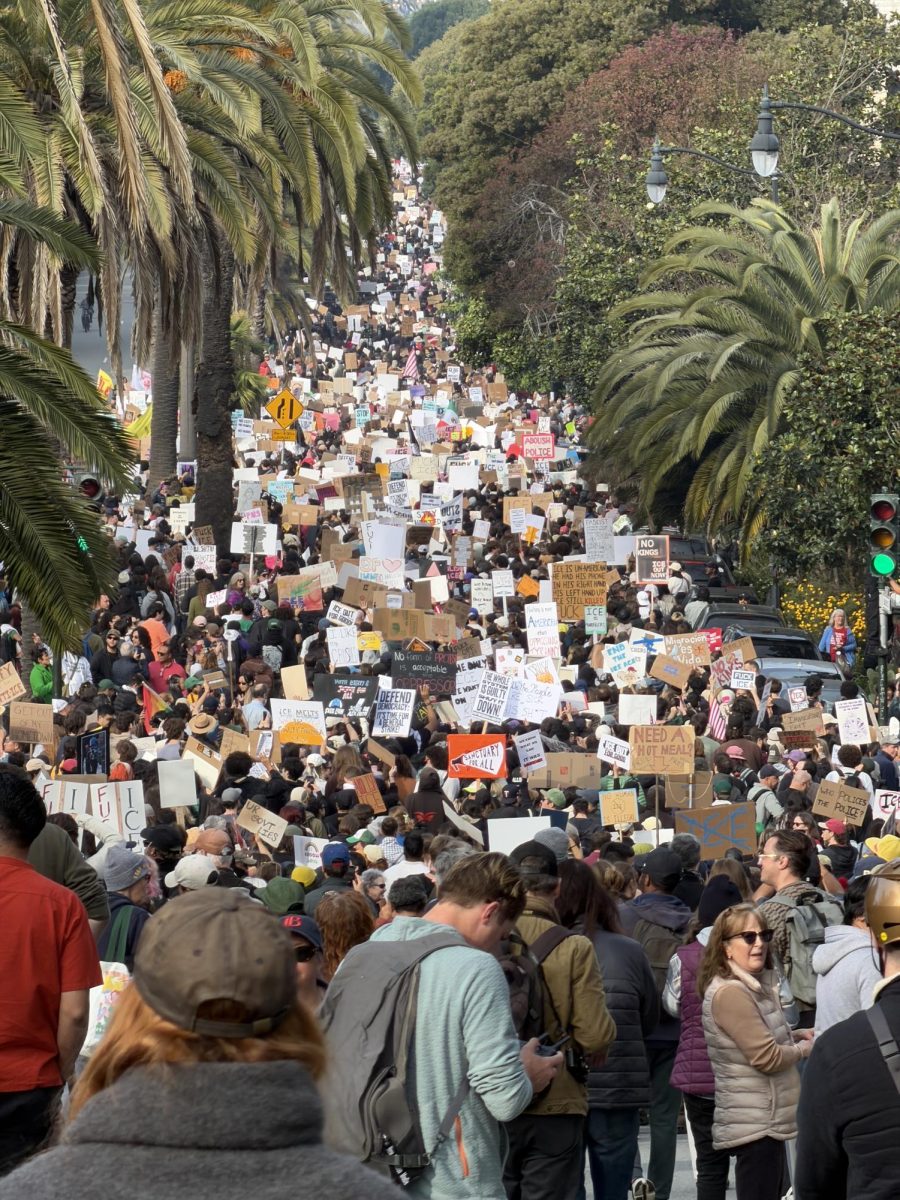
Starting June 6th, 2025, ICE raids erupted in Los Angeles in an attempt at what President Donald Trump believed to be a crackdown on immigration. Following these raids, mass protests began, which were met with the deployment of the national guard the same month. In August of 2025, the National Guard was deployed in Washington, DC, in what Trump claimed to be another crackdown on violence and crime in both cities. More recently, the National Guard has been deployed to various cities, including Chicago, Illinois. Amidst all the protests and turmoil, on August 11, 2025, Trump claimed that the National Guard would be deployed in Oakland, California.
California Governor Gavin Newsom responded to these claims and actions being taken, stating that they go against federal law. He attempted to sue Trump, citing that the Posse Comitatus Act restricts the use of the US military for domestic law enforcement. On Tuesday, September 2nd, it was found by the Senior District Judge Charles R. Breyer that the deployment of the National Guard in Los Angeles was illegal. Despite this ruling, about 300 soldiers remain in Los Angeles. When Ms. Elliot, the AP Government and Politics teacher at Bishop O’Dowd, was asked how she believes this ruling will be upheld in court and the constitutionality of Trump’s actions, she stated, “Legally, the president of the United States cannot deploy the National Guard because the Commander of that Guard is the governor. If Governor Newsome deployed them, they could legally stay; if the president did, it would be an illegal deployment and, therefore, could not stay.” Despite this reassurance about the illegitimacy of President Trump’s threat, she went on to state, “What the president could do is deploy a troop from an arm of the U.S. military (the Marines, for example) because, constitutionally, that is under his purview.”
This raises the question of what the City of Oakland plans to do in order to protect the rights of immigrants and Oakland residents. When Oakland Mayor Barbara Lee was asked about concrete steps the city plans to take to protect immigrants, she mentioned raising $10 million to protect immigrant communities that fear going to work. This is largely due to an increased target of work sites for immigration sweeps, leading many immigrants to not go to work out of fear of ICE. Without a steady income, the grant Mayor Lee proposes hopes to support immigrants in need.
Along with protecting Oakland’s immigrant community, many Oakland residents raise questions about their safety. Some believe that although violent crime is down 26% as stated by the City of Oakland OPD crime statistics, compared to last year. Oakland still suffers from high crime rates. This has created a divide within the Oakland community, with some even supporting the deployment of the National Guard. When Mayor Lee was asked this, she shared that the National Guard is not a police force but a national force. At the same time, she acknowledged that people in Oakland feel unsafe and instead believed that the federal government should be a partner with the local police force and the local public.
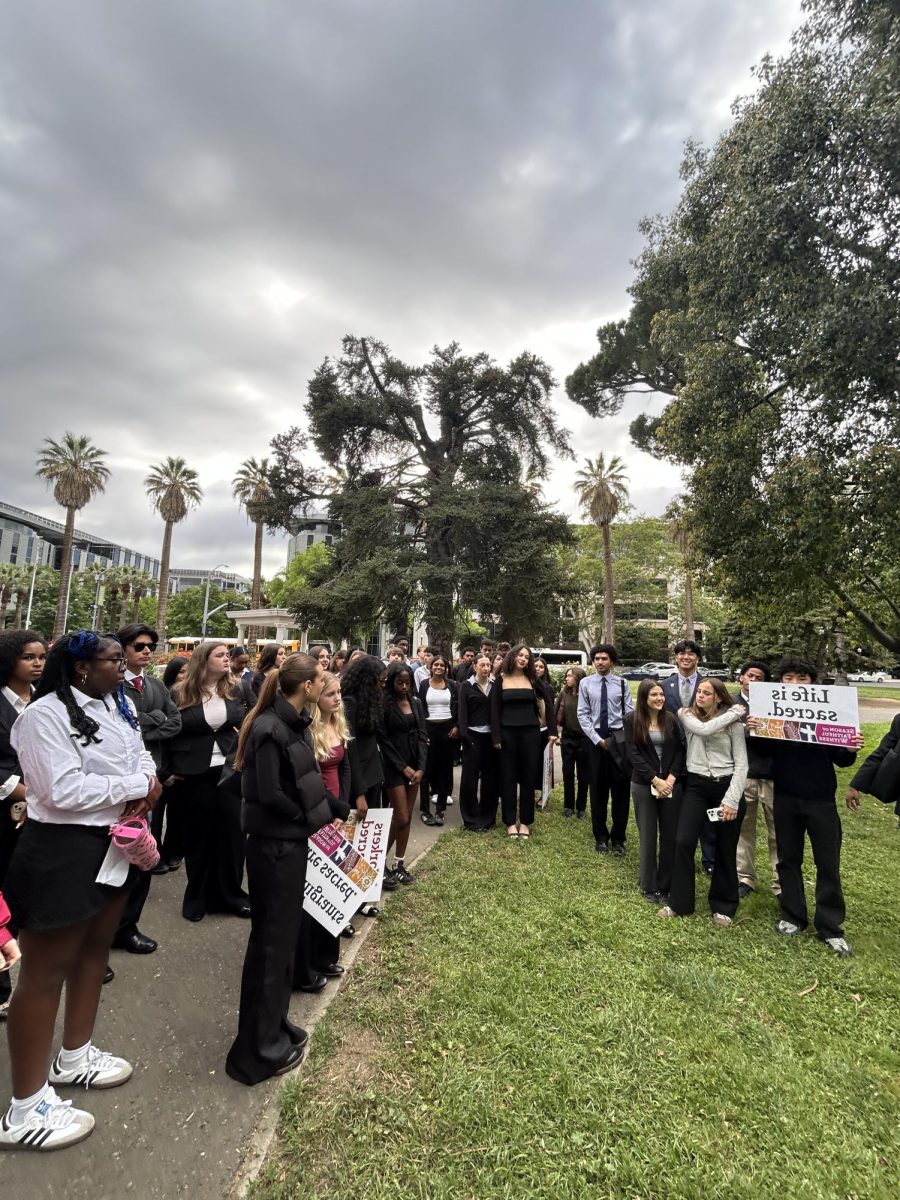
Although a national issue, the National Guard also impacts the diverse O’Dowd community. When O’Dowd students were asked if they felt the stress of Trump’s presidency and his threats against communities with the national guard, they stated, “Although I am not a part of the communities that are significantly at risk, I know people who are impacted, and it’s definitely heartbreaking.” Emma Stern ’26. This shows that although people may not be directly affected, injustice affects everyone in a community.
Although a heavy and stressful issue, there is still hope, especially among strong communities such as the Bishop O’Dowd community and the Oakland community. When Mayor Lee was asked about the effects students can have on political issues such as this one, she shared that the city needs the input of young people and that it is the priority of her and should be the priority of all elected officials. This should inspire hope for young people, knowing their capacity for change.