For students who drive themselves, the morning commute is often more than just getting to school; it’s a chance for independence and a bit of peace before the day begins. Mackenzie Luna ’28 shared that driving gives her a sense of control over her mornings, making the routine feel personal and intentional.
Driving does come with responsibilities that bus riders don’t face. Parking can be frustrating, especially when students have to move their cars between lots for after-school activities or sports practices. Drivers must also stay fully focused on the road, leaving little time for tasks like finishing homework or sending messages until they arrive.
“I like driving to school because it’s part of my morning routine,” said Mackenzie. “I enjoy the freedom that comes with driving, and I like having peace and quiet on my way to school.” This sense of independence is one of the biggest draws for students who choose to drive themselves. While driving offers independence and quiet, not every student has the option, or desire, to take the wheel. For many, the bus provides a different kind of routine that balances convenience, social interaction, and reliability.
For students who don’t drive, the bus is a vital part of their morning routine. It provides accessible transportation, especially for those who live farther from school, and reduces the need for parents to drive. Most students arrive early, giving them time to review homework, attend office hours, or settle in before classes begin.
Riding the bus isn’t without challenges. Early pick-ups, sometimes before 7:30 a.m., can make mornings feel rushed, and crowded buses often lead to shoving and minor frustrations. Occasionally, buses don’t stick perfectly to the schedule, leaving students stranded or running late for morning activities.
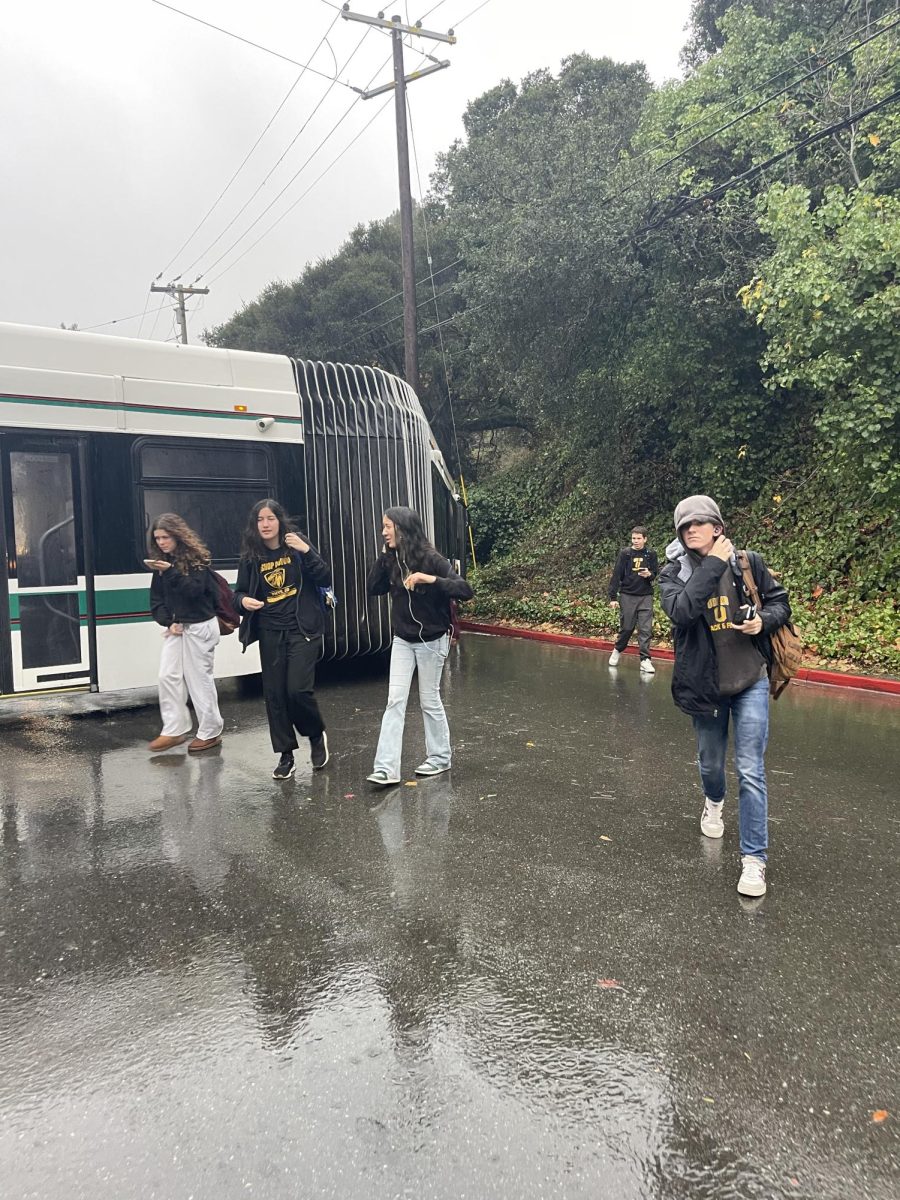
Sometimes, the bus can even turn a normal commute into an unexpected adventure. Maitri recalled a stormy Thanksgiving break when the bus crashed into a telephone pole. Students had to get off in pouring rain and wait for rides home, and on another occasion, a wrong route during finals week left riders stranded, forcing them to walk in late to their exams. Experiences like these highlight that while the bus is generally reliable, it can also be unpredictable.
Beyond logistics, the bus also creates opportunities for social connections. Students often meet classmates and neighbors they might not otherwise encounter, forming friendships and networks that extend beyond the classroom. As Maitri Sudindranath ’28 explained, “Taking the bus helped me meet people in my neighborhood that I wouldn’t have known otherwise.”
Even with occasional delays and unexpected mishaps, many students rely on the bus for its convenience, reliability, and the chance to connect with peers along the way.
Whether students drive or ride the bus, the morning commute is more than just getting to school; it’s a small but meaningful part of their daily routine.